

$ 71
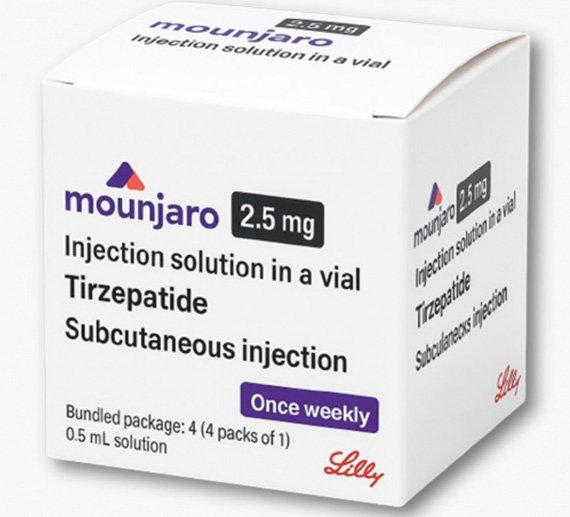
Buy GLP-1 (Glucagon-Like Peptide-1), a powerful incretin hormone and the foundation of modern GLP-1 receptor agonist therapies. These medications mimic natural GLP-1 to regulate blood sugar, suppress appetite, slow gastric emptying, and promote significant weight loss—widely used for type 2 diabetes management and chronic obesity treatment under brand names like semaglutide (Ozempic, Wegovy), liraglutide (Victoza, Saxenda), tirzepatide (Mounjaro, Zepbound), and others.
GLP-1 (Glucagon-Like Peptide-1) is a 30- or 31-amino acid incretin hormone secreted by intestinal L-cells in response to nutrient intake. It plays a central role in glucose homeostasis and appetite regulation by binding to GLP-1 receptors on pancreatic beta cells, alpha cells, brain regions (hypothalamus, brainstem), stomach, and other tissues. Natural GLP-1 enhances glucose-dependent insulin secretion, suppresses glucagon release, slows gastric emptying, reduces food intake by increasing satiety signals, and exerts cardioprotective and neuroprotective effects. Due to its very short half-life (1–2 minutes) from rapid degradation by DPP-4 enzyme, therapeutic GLP-1 receptor agonists (GLP-1 RAs) have been developed with structural modifications for extended duration and enhanced potency. These include once-daily (liraglutide), once-weekly (semaglutide, dulaglutide, exenatide extended-release), and dual/triple agonists (tirzepatide: GLP-1 + GIP; survodutide: GLP-1 + glucagon; retatrutide: GLP-1 + GIP + glucagon). GLP-1 RAs are FDA-approved for type 2 diabetes (to improve glycemic control and reduce cardiovascular risk) and chronic weight management in adults with obesity (BMI ≥30) or overweight (BMI ≥27) with weight-related comorbidities. Landmark trials (STEP, SURPASS, SUSTAIN, LEADER, REWIND) show average weight reductions of 10–22% (often 20–60+ pounds), A1C drops of 1.5–2.5%, and significant reductions in major adverse cardiovascular events, heart failure hospitalizations, and progression of kidney disease. Administration is typically via pre-filled pens for subcutaneous injection (abdomen, thigh, or upper arm), with gradual dose titration to minimize gastrointestinal side effects (nausea, vomiting, diarrhea, constipation—most common and usually transient). Additional benefits include improved lipid profiles, blood pressure, liver fat content, and quality of life. While highly effective, GLP-1 therapies carry warnings for rare but serious risks: pancreatitis, gallbladder-related events, acute kidney injury, hypersensitivity reactions, and a boxed warning for thyroid C-cell tumors (medullary thyroid carcinoma) observed in rodents (contraindicated in personal/family history of MTC or MEN2). Hypoglycemia risk is low when used alone but increases with insulin or sulfonylureas. GLP-1 RAs are not approved for type 1 diabetes, diabetic ketoacidosis, or general cosmetic weight loss. Always use under medical supervision with regular monitoring of A1C, weight, lipids, renal function, and thyroid markers. Combine with diet, exercise, and behavioral support for optimal results. Consult a healthcare provider to determine if a GLP-1 therapy is appropriate for your diabetes or weight management needs, receive proper training on injection technique, and discuss the most suitable agent and dose for your profile.
| DOSE | GP 5mg(10vials) |
|---|



 English English
  Italian
 German
 Dutch
Dutch
 Spanish
 Danish
 French
 Greek
Greek
 Swedish
 Finnish
 Polish
 Portuguese
 Arabic