


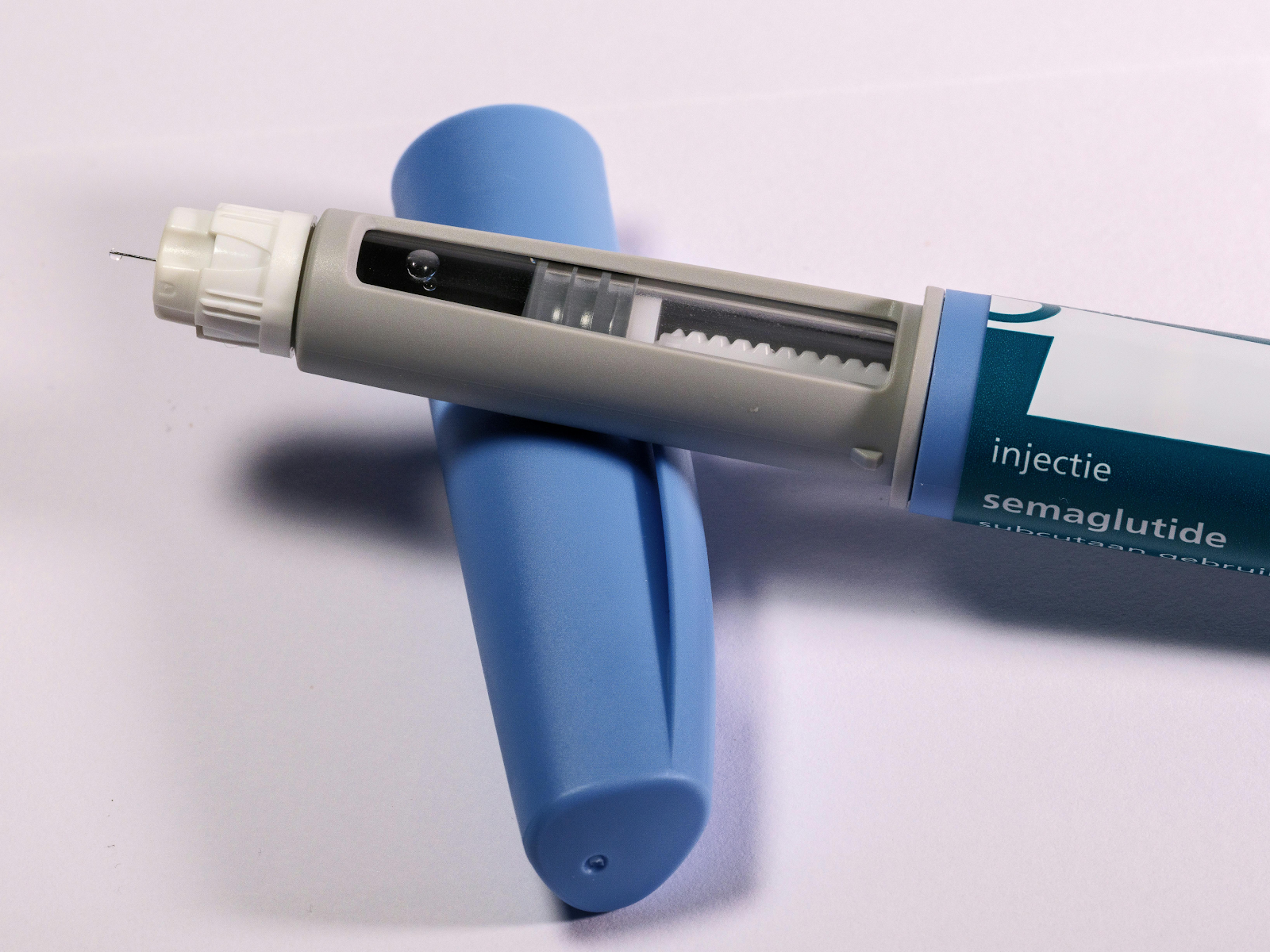
Safe Use of Ozempic for Weight Loss – Start Low at 0.5mg
Using weight-loss injections like Ozempic (semaglutide) can boost your diet efforts, but safety is key. Start with the lowest dose recommended and follow guidance from your healthcare provider. Semaglutide is a weekly GLP-1 receptor agonist that mimics hormones to curb appetite and slow digestion. For example, Ozempic’s label advises beginning at 0.25 mg once weekly for 4 weeks, then increasing to 0.5 mg once weekly if tolerated. This “start low, go slow” approach helps your body adjust and reduces side effects like nausea or dizziness. In practice, after the first month at 0.25 mg, many patients step up to the 0.5 mg dose safely as a weight-loss regimen, under medical supervision. Always inject exactly as shown by your doctor or pharmacist, monitor how you feel, and report any concerns.
Key Points:
- Starting dose is typically 0.25 mg weekly for 4 weeks, then increase to 0.5 mg.
- Safe administration involves subcutaneous injection (abdomen, thigh, or arm) once a week.
- Common side effects (≥5% of users) include nausea, vomiting, diarrhea, abdominal pain, and constipation.
Understanding Weight-Loss Injectables (GLP-1 Agonists) Weight-loss injectables like Ozempic (semaglutide), Wegovy, and similar medications belong to a class called GLP-1 receptor agonists. They mimic gut hormones to increase satiety and slow stomach emptying. This means you eat less and feel fuller longer. These drugs were first approved for diabetes but also lead to significant weight loss. In clinical trials, users on semaglutide lost far more weight than those on placebo: for example, after 4 years of treatment, the semaglutide group lost on average ~11.7% of body weight vs ~1.5% for placebo. Moreover, about two-thirds of people achieved at least 5% weight loss, and ~23% lost 15% or more.
Important: These medications are prescription-only. They must be used under medical supervision, not as a DIY solution. Always consult your healthcare provider before starting any injectable.
Benefits of Starting Low
- Fewer Side Effects: Beginning with a low dose (0.25 mg) gives your body time to adapt. It can dramatically reduce initial gastrointestinal side effects like nausea.
- Assess Tolerance: By waiting 4 weeks before increasing to 0.5 mg, doctors ensure you tolerate the medication. You can then safely move to the target dose for weight loss.
- Weight Loss Results: Even at 0.5 mg weekly, many patients see meaningful results. Gradually upping the dose can eventually reach up to 1–2 mg (with doctor approval) for more weight loss, but starting low helps ensure safety and adherence.
Long-term Benefits: Regular use of these drugs (with diet and exercise) not only reduces weight, but has been associated with other health improvements (like lower blood sugar). Research shows GLP-1 drugs even have unexpected benefits: they may improve cognitive health and reduce risks of addiction or mood issues. However, be aware of potential risks discussed below.
Possible Risks and Side Effects Even with low doses, some side effects can occur. The most common (in ≥5% of users) are digestive issues:
- Nausea/vomiting
- Diarrhea
- Constipation
- Abdominal pain
Most side effects are mild or moderate and tend to lessen over time. To manage them safely:
- Stay Hydrated: Sip water or ginger tea, and eat bland, protein-rich foods.
- Anti-nausea meds: If nausea is troublesome, your doctor may recommend antiemetics.
- Go slowly: If needed, your doctor might prolong the 0.25 mg period or delay the 0.5 mg increase. Dose reductions can also help if side effects persist.
More serious risks can occur, though they are rare: semaglutide has a boxed warning about thyroid C-cell tumors, and there’s some risk of pancreatitis. The FDA advises reporting any severe abdominal pain, gallbladder symptoms, or allergic reactions. Always keep up with doctor visits and lab tests as instructed.
Myth Busted: These drugs are not ‘miracle cures’ without effort. Lifestyle still matters. They aid weight loss but work best with diet and exercise.
Proper Administration and Technique Injectables must be used precisely:
- Injection Sites: Ozempic can be injected in the abdomen, upper thigh, or outer arm. Rotate sites each week to avoid skin irritation.
- Needle Care: Always use a new, sterile needle. Discard needles properly.
- Timing: It’s weekly, on the same day each week. You can inject it anytime (day or night), with or without food.
- Storage: Keep the pen in the fridge until first use. Afterward, it may be kept at room temperature (per label guidelines).
Consider using an easy-to-read diary or app to track each dose and any reactions. Monitoring your blood sugar (if diabetic) and weight weekly will help you and your doctor see progress.
Monitoring Progress and Lifestyle Integration Track your goals: set realistic targets (e.g., 5–10% weight loss as a start). Regularly weigh yourself (e.g., weekly) and note any changes in appetite or energy. Make lifestyle changes part of the plan:
- Healthy Diet: Focus on nutrient-rich whole foods, protein and fiber. Limit refined carbs and sugar.
- Regular Exercise: Even walking 30 minutes a day aids weight loss and improves mood.
- Sleep and Stress: Good sleep and stress management (yoga, meditation) support weight loss efforts and overall health.
Check-ins with your healthcare team are essential. They will assess how well Ozempic is working for you and whether dose adjustments are needed. Blood work may be done periodically.
Debunking Common Myths
- “Ozempic Makes You Lose Weight Instantly.” – It’s not magic. Expect gradual loss. Most guidelines note it can take weeks to months to see major changes.
- “Only for the very obese.” – While often prescribed for high BMI, some doctors prescribe off-label for overweight patients (BMI 27+) with risk factors. Always follow professional advice.
- “No need to change diet.” – Absolutely, eat healthily! These drugs complement diet and exercise—they don’t replace them.
Conclusion Ozempic and similar GLP-1 injections can be powerful allies in weight loss, but safety comes first. Starting at 0.25 mg and moving to 0.5 mg after 4 weeks helps minimize side effects and ensures your body adjusts. Learn proper injection techniques and combine the medication with healthy lifestyle habits. Always stay in touch with your doctor, who will guide dose increases and monitor for any issues. Remember that individual responses vary – patience and consistency are key.
Talk to your doctor before starting any new medication or weight-loss regimen. They can answer your questions and tailor advice to your health needs.
FAQs:
- How soon will I see weight loss on Ozempic? Most people notice some appetite reduction or weight change in a few weeks, but significant weight loss often takes 2–3 months.
- Can I skip doses if I eat a cheat meal? No – take it consistently once a week. Skipping doses can disrupt therapy.
- What if side effects persist? Inform your doctor. They may adjust your dose or suggest remedies for side effects.
- Is Ozempic addictive? No. It works differently from addictive drugs. It’s used under prescription to help with weight management.
- Can I use Ozempic with other diabetes meds? Some combinations are common in diabetes care, but always follow your doctor’s instructions.
 English
  Italian
  German
  Dutch
Dutch  Spanish
  Danish
  French
  Greek
Greek  Swedish
  Finnish
  Polish
  Portuguese
  Arabic