
$ 81
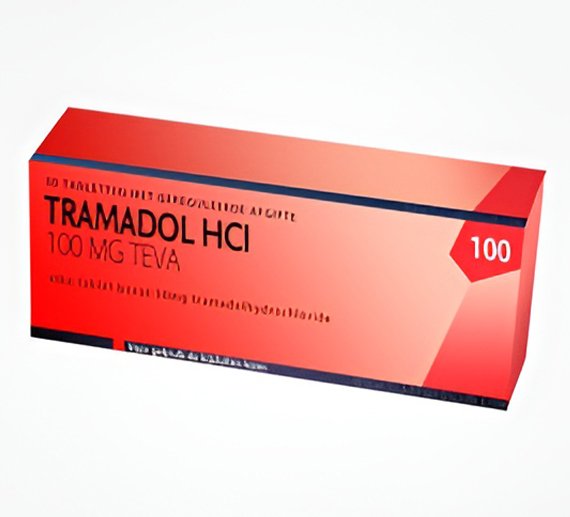
Buy Tramadol 100mg, a prescription opioid analgesic for the management of moderate to moderately severe pain. This extended-release or immediate-release formulation provides effective pain relief by acting on opioid receptors and inhibiting serotonin/norepinephrine reuptake, suitable for chronic pain, post-operative recovery, or injury-related discomfort when non-opioid options are insufficient. Used under strict medical supervision.
In Stock
Tramadol 100mg (tramadol hydrochloride) is an FDA-approved and internationally regulated prescription analgesic indicated for the management of moderate to moderately severe pain in adults, including chronic musculoskeletal pain, neuropathic pain components, post-surgical pain, and pain from injuries or conditions such as osteoarthritis or back pain when non-opioid therapies provide inadequate relief. As a centrally acting synthetic opioid with dual mechanism of action, Tramadol 100mg binds to mu-opioid receptors to modify pain perception while also inhibiting the reuptake of serotonin and norepinephrine, contributing to enhanced descending pain inhibition pathways for broader analgesic effects compared to pure opioids. The 100mg strength is commonly available in immediate-release tablets (taken every 4-6 hours as needed, max 400mg/day) or extended-release formulations (once or twice daily for around-the-clock pain control), offering flexible dosing options tailored to pain severity and patient response—typical adult starting doses range from 50-100mg, with careful titration under physician guidance. Clinical studies support its efficacy in significantly reducing pain intensity scores and improving functional outcomes in acute and chronic pain settings, often with a lower incidence of certain opioid-related side effects like respiratory depression compared to stronger full mu-agonists, though risks remain. Tramadol 100mg is taken orally with or without food (extended-release forms should be swallowed whole and not crushed/chewed to avoid dose dumping). Due to its classification as a Schedule IV controlled substance in many regions, it carries important warnings for potential abuse, dependence, withdrawal symptoms, and seizure risk (especially at higher doses, in patients with epilepsy, or when combined with other serotonergic agents, SSRIs, SNRIs, TCAs, MAOIs, or during abrupt discontinuation). Common side effects include nausea, dizziness, constipation, drowsiness, dry mouth, sweating, and headache, while serious concerns involve serotonin syndrome (when combined with serotonergic drugs), respiratory depression (particularly in opioid-naïve patients, elderly, or those with respiratory compromise), and interactions with alcohol, benzodiazepines, or other CNS depressants. Key contraindications include severe respiratory depression, acute intoxication with alcohol/CNS depressants, children under 12 (and restricted use in ages 12-18 post-tonsillectomy/adenoidectomy due to ultra-rapid metabolism risks), and concurrent use with MAO inhibitors. Use caution in patients with seizure history, head injury, renal/hepatic impairment (dose adjustment required), or history of substance abuse. Always prescribe the lowest effective dose for the shortest duration necessary, with regular reassessment of pain, function, and misuse risk, patient education on safe storage/disposal, and consideration of naloxone co-prescription for overdose reversal in higher-risk cases. Consult a healthcare provider before starting Tramadol 100mg for thorough risk-benefit evaluation, personalized dosing guidance, monitoring for side effects and efficacy, and integration into a comprehensive pain management plan that may include non-opioid therapies and multimodal approaches.

 English English
  Italian
 German
 Dutch
Dutch
 Spanish
 Danish
 French
 Greek
Greek
 Swedish
 Finnish
 Polish
 Portuguese
 Arabic