
$ 160
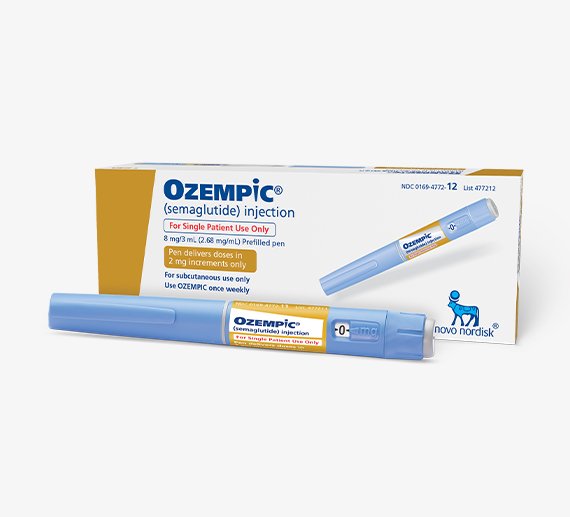
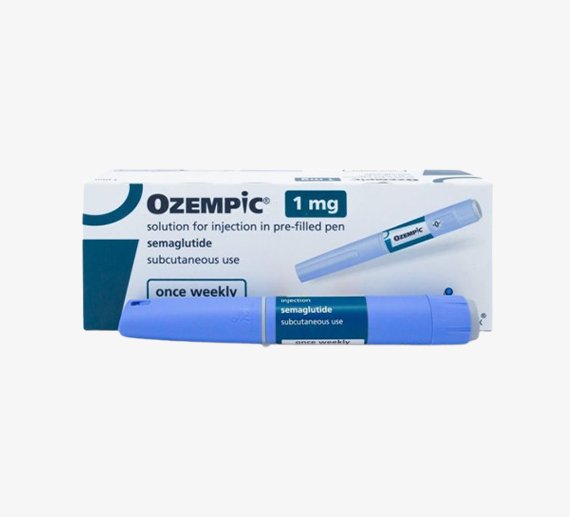
Buy Ozempic 1mg, a once-weekly semaglutide injection for adults with type 2 diabetes. This powerful GLP-1 receptor agonist delivers enhanced glycemic control, significant A1C reductions, and substantial weight loss support when combined with diet and exercise. Convenient pre-filled pen for simple weekly administration.
In Stock
Ozempic 1mg (semaglutide injection) is an FDA-approved prescription medication used as an adjunct to diet and exercise to improve glycemic control in adults with type 2 diabetes mellitus and to reduce the risk of major cardiovascular events (such as heart attack, stroke, or cardiovascular death) in adults with type 2 diabetes and established cardiovascular disease. As a highly effective GLP-1 receptor agonist, Ozempic 1mg mimics the action of incretin hormones to stimulate insulin release in a glucose-dependent way, suppress inappropriate glucagon secretion, slow gastric emptying, and promote satiety by reducing appetite—resulting in superior blood sugar regulation and often considerable weight reduction. Clinical trials (including SUSTAIN studies) demonstrate that the 1mg maintenance dose achieves robust A1C reductions of 1.5-2.0% or more from baseline, with average body weight losses of 10-17 pounds or greater (typically 5-10% of starting weight over 30-56 weeks), frequently outperforming other diabetes therapies while providing proven cardiovascular risk reduction. The easy-to-use pre-filled pen delivers 1mg in 0.75mL via straightforward once-weekly subcutaneous injection (abdomen, thigh, or upper arm), typically reached after 4 weeks on the 0.25mg starting dose and an additional 4 weeks on 0.5mg to optimize tolerability and reduce common side effects such as nausea. While not indicated exclusively for weight loss (the higher-dose semaglutide is available as Wegovy for chronic weight management), Ozempic 1mg offers exceptional dual benefits for patients seeking improved glycemic control alongside meaningful and sustained weight loss. Manufactured by Novo Nordisk to rigorous pharmaceutical standards, Ozempic 1mg ensures reliable, long-lasting effects for comprehensive type 2 diabetes management and enhanced cardiometabolic health. Always consult a healthcare provider before starting Ozempic 1mg to confirm suitability for your condition, receive proper training on pen use and dose escalation, and discuss monitoring for side effects (including gastrointestinal symptoms that often decrease over time, injection-site reactions, or rare serious risks like pancreatitis, gallbladder issues, or thyroid concerns).

 English English
  Italian
 German
 Dutch
Dutch
 Spanish
 Danish
 French
 Greek
Greek
 Swedish
 Finnish
 Polish
 Portuguese
 Arabic