
$ 284
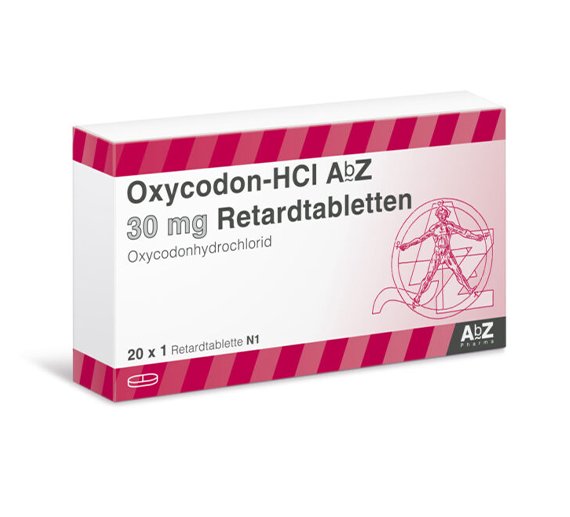
Buy Oxycodone HCl 30mg, a potent prescription opioid analgesic for the relief of moderate to severe pain. This higher-strength immediate-release formulation targets opioid receptors to provide fast, effective pain control for acute conditions, post-operative recovery, or breakthrough pain in chronic settings when lower doses are inadequate. Strictly for use under medical supervision.
In Stock
Oxycodone HCl 30mg (oxycodone hydrochloride) is an FDA-approved and internationally regulated Schedule II prescription opioid indicated for the management of moderate to severe pain in adults, including acute pain from surgery, trauma, severe injury, or cancer-related pain, as well as breakthrough pain in patients receiving continuous around-the-clock opioid therapy. As a powerful semi-synthetic opioid agonist, Oxycodone HCl 30mg binds primarily to mu-opioid receptors in the central nervous system to alter pain perception and the affective response to pain, delivering rapid onset of relief (typically within 10-30 minutes orally) and an analgesic duration of approximately 3-6 hours. The 30mg immediate-release tablet is a higher-strength option commonly prescribed for patients with significant pain intensity, established opioid tolerance, or those transitioning from lower doses, with typical adult dosing individualized at 15-30mg every 4-6 hours as needed (always starting with the lowest effective dose and titrated cautiously under close physician oversight). Clinical studies and real-world use confirm its ability to substantially reduce pain severity scores and enhance patient function in appropriate short-term or carefully monitored long-term scenarios as part of a multimodal pain management strategy incorporating non-opioid analgesics, physical therapy, interventional procedures, and behavioral approaches. Oxycodone HCl 30mg is taken orally with or without food, though food may slightly delay peak plasma concentrations. Due to its very high potential for abuse, addiction, physical and psychological dependence, life-threatening respiratory depression, and fatal overdose—especially at higher strengths—it is reserved for situations where non-opioid alternatives have proven inadequate and benefits clearly outweigh risks. Common side effects include constipation (often requiring routine laxative prophylaxis), nausea, vomiting, somnolence, dizziness, pruritus, dry mouth, and sweating, while serious risks involve profound CNS and respiratory depression, particularly when combined with alcohol, benzodiazepines, other sedatives, muscle relaxants, or CYP3A4/CYP2D6 inhibitors that can increase oxycodone levels. Critical safety warnings include: absolute contraindication in significant respiratory depression, acute or severe bronchial asthma in an unmonitored setting, paralytic ileus, or known hypersensitivity; extreme caution in elderly, debilitated, cachectic, or patients with hepatic/renal impairment due to prolonged effects and heightened sensitivity; not recommended during pregnancy (risk of neonatal opioid withdrawal syndrome), breastfeeding, or in pediatric patients under 11 for immediate-release forms without specialist supervision. Opioid risk management requires prescribing the lowest effective dose for the shortest duration necessary, frequent reassessment of pain, function, and misuse risk, patient/caregiver education on safe storage/disposal to prevent diversion, and co-prescription of naloxone for overdose reversal in at-risk individuals. Always consult a healthcare provider before initiating Oxycodone HCl 30mg for comprehensive risk-benefit evaluation, personalized dosing guidance, ongoing monitoring, and integration into a broader pain treatment plan.

 English English
  Italian
 German
 Dutch
Dutch
 Spanish
 Danish
 French
 Greek
Greek
 Swedish
 Finnish
 Polish
 Portuguese
 Arabic