
$ 36
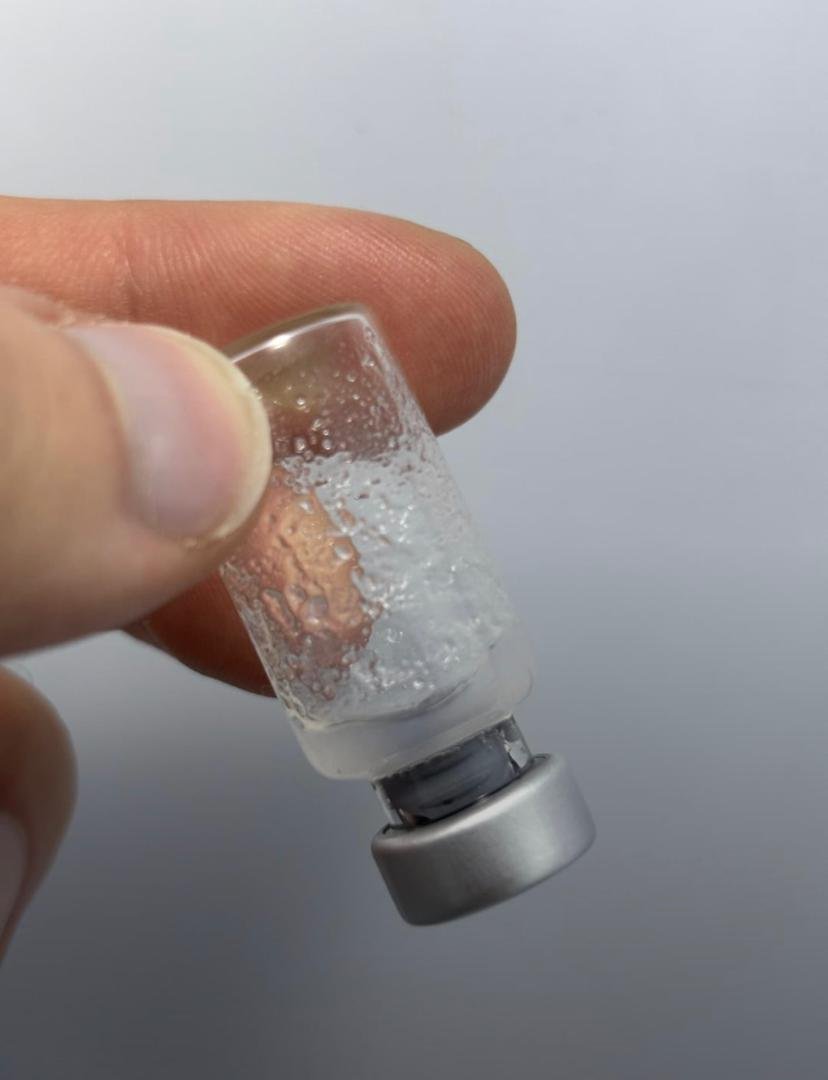
Buy ARA-290 (also known as Cibinetide), a synthetic non-erythropoietic peptide derived from erythropoietin, researched for its anti-inflammatory, tissue-protective, and neuroprotective effects. This investigational agent activates the innate repair receptor to reduce neuropathic pain, promote nerve regeneration, improve metabolic control, and support recovery in conditions like diabetic neuropathy, sarcoidosis-associated small fiber neuropathy, and chronic inflammation—showing promising results in clinical trials for pain relief and tissue repair.
ARA-290 (Cibinetide or PHBSP) is a synthetic 11-amino acid peptide engineered from the helix B surface domain of erythropoietin (EPO), specifically designed to retain EPO’s tissue-protective and anti-inflammatory properties while eliminating its erythropoietic (red blood cell-stimulating) effects. It selectively activates the innate repair receptor (IRR)—a heterodimer of the EPO receptor and the β-common cytokine receptor (CD131)—to suppress pro-inflammatory cytokines, reduce oxidative stress, promote endothelial integrity, modulate immune responses, and facilitate tissue repair and regeneration without influencing hematopoiesis. Preclinical models and phase 2 clinical trials have demonstrated ARA-290’s potential to reverse small nerve fiber loss (e.g., increased corneal nerve fiber density), alleviate neuropathic pain, improve metabolic parameters (such as HbA1c and insulin sensitivity in type 2 diabetes), and confer neuroprotective benefits in conditions involving inflammation or nerve damage. In sarcoidosis-associated small fiber neuropathy and diabetic neuropathy trials, ARA-290 significantly reduced neuropathic symptoms, enhanced nerve fiber abundance, and improved functional outcomes like pain severity and mobility, with effects mediated by anti-inflammatory actions, tissue protection, and modulation of pathways like TRPV1. In wellness, regenerative medicine, and chronic pain contexts, ARA-290 is explored via subcutaneous injection (typical research doses 1–8 mg daily or several times weekly in trials, often for 28 days or longer) for potential support in neuropathic pain, diabetic complications, sarcoidosis, inflammatory disorders, and recovery from nerve injury. Users and trial data report reduced pain, better nerve function, and improved quality of life over treatment periods. While generally well-tolerated with mild side effects (injection-site reactions, transient fatigue, headache), ARA-290 is not FDA-approved for any therapeutic, pain relief, neuropathy treatment, or wellness use as of 2026—it remains investigational, with phase 2 trials completed (e.g., for sarcoidosis neuropathy, diabetic macular edema, and metabolic/neuropathic benefits) but no large-scale phase 3 approvals or broad commercialization yet. Evidence stems from preclinical research, phase 2 human studies, and clinical observations rather than definitive large-scale data. Potential risks include unknown long-term effects, rare hypersensitivity, or interactions with immune-modulating therapies. ARA-290 should only be used under strict medical supervision with proper monitoring (e.g., inflammatory markers, nerve assessments, metabolic labs) and sourced from reputable compounding pharmacies or research channels. Always consult a qualified healthcare provider experienced in peptide or neuropathic therapies to evaluate suitability, determine dosing, and integrate it into a comprehensive plan including lifestyle interventions. ARA-290 offers a targeted approach to innate repair and inflammation modulation when benefits outweigh risks.
| DOSE | RA10. 10mg(10vials) |
|---|


 English English
  Italian
 German
 Dutch
Dutch
 Spanish
 Danish
 French
 Greek
Greek
 Swedish
 Finnish
 Polish
 Portuguese
 Arabic