


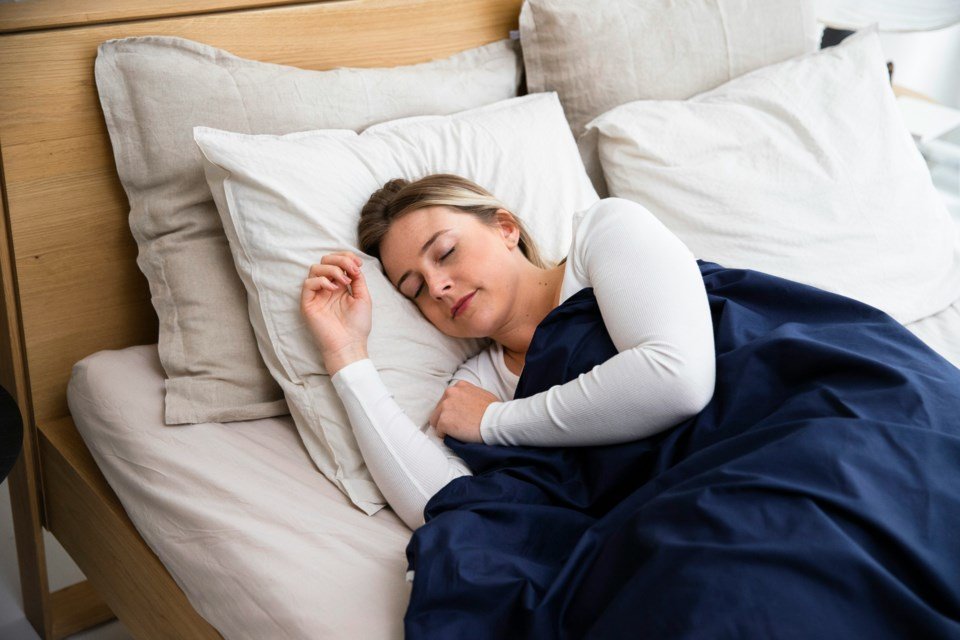
Oxazepam and Sleep: Bedtime Routines for Anxiety Relief
If anxiety keeps you awake, oxazepam can help—but pairing it with good sleep habits is key. Oxazepam is a short-acting benzodiazepine often prescribed for anxiety and related sleep problems. It works by boosting GABA brain signals to calm the mind. Many find it eases nighttime anxiety and helps them fall asleep. However, benzodiazepines can cause drowsiness and dependence, so the best results come when oxazepam is used sparingly and with a solid sleep routine. This article explains how oxazepam works, how to combine it with healthy bedtime habits (consistent schedule, dark room, no caffeine, relaxation), and why factors like tapering off and alternative therapies (CBT-I, meditation) matter.
Key Points:
- Oxazepam helps with anxiety-related insomnia but can cause fatigue and memory problems. Use the smallest effective dose, usually at bedtime.
- Maintain strict sleep hygiene: consistent bedtime, cool dark room, no late caffeine or screens.
- Avoid alcohol and other depressants with oxazepam – this combo can dangerously deepen sedation.
- If taking oxazepam long-term, plan a gradual taper to avoid withdrawal.
What is Oxazepam and How Does It Work? Oxazepam is a benzodiazepine medication commonly used for anxiety, insomnia, and alcohol withdrawal. It binds to GABAA receptors in the brain, enhancing the calming effects of the neurotransmitter GABA. This makes you feel more relaxed and sleepy. Oxazepam is intermediate-acting (its effects last several hours) and is metabolized by direct conjugation (so it’s relatively safe in older adults with liver issues).
Note: Because oxazepam is FDA-approved for anxiety (and sometimes used off-label for insomnia), doctors will prescribe it cautiously. It’s a Schedule IV controlled substance (lower abuse risk than strong benzodiazepines, but still requires care).
Benefits for Anxiety-Related Insomnia For people whose anxiety spikes at night, oxazepam can quickly reduce worry and muscle tension, helping initiate sleep. It can be particularly useful if trouble staying asleep is the issue (some sources note oxazepam helps patients who wake up often). When taken as directed, many report sleeping longer and feeling less anxious about falling asleep.
However, oxazepam doesn’t “cure” insomnia – it masks symptoms. Importantly, it does not replace good sleep habits. Using it occasionally (e.g., during periods of acute stress) can be reasonable. For ongoing sleep issues, other strategies (below) should be integrated.
Potential Drawbacks Along with its calming effect, oxazepam can cause unwanted drowsiness the next day, memory lapses, or feelings of confusion. Long-term use can lead to tolerance (needing more for same effect) and dependence. Abruptly stopping a benzodiazepine can trigger rebound anxiety or even seizures. That’s why prescribers usually advise short-term use or only under close monitoring. Older adults are especially vulnerable to falls and cognitive impairment on these drugs.
Interaction Alert: Never mix oxazepam with other depressants like alcohol, antihistamines (Benadryl), opioids (like fentanyl), or sleep aids. Doing so can amplify drowsiness and even cause dangerous respiratory depression. Always disclose all your medications to the prescriber.
Optimizing Your Sleep Routine
- Consistent Schedule: Go to bed and wake up at the same time every day, even on weekends. This reinforces your body’s natural sleep-wake cycle.
- Bedroom Environment: Keep your room quiet, dark, and cool. Use blackout curtains or a sleep mask if needed, and reduce noise (earplugs or white noise can help). Remove TVs or bright clocks from the bedroom.
- Pre-Bed Ritual: Wind down an hour or more before bed. Tips include taking a warm bath, reading a light book, or gentle stretches. Avoid screens – the blue light can disrupt sleep signals.
- Avoid Stimulants: Don’t consume caffeine (coffee, tea, sodas) in the late afternoon or evening. Also limit heavy meals, nicotine, and alcohol close to bedtime. Alcohol might make you sleepy initially, but it fragments sleep later.
- Light Exercise: Engage in regular physical activity (like walking or yoga) but try to finish vigorous exercise at least 3 hours before bedtime.
- Relaxation Techniques: Practices like meditation, deep breathing, or progressive muscle relaxation can ease anxiety. Even a simple routine like listening to calm music or using a guided sleep app can make a difference.
- Limit Naps: If you nap, keep it short (20–30 minutes) and not late in the day.
By doing these, you may find you need less oxazepam or none at all. Actually, experts often recommend cognitive-behavioral therapy for insomnia (CBT-I) as a first-line treatment. CBT-I has benefits equal to sleep meds, without side effects. It teaches these exact habits and helps change anxious thinking about sleep.
Combining Oxazepam with Your Routine If your doctor has prescribed oxazepam at bedtime for anxiety/sleep:
- Take it 30–60 minutes before your planned sleep time so it can kick in.
- Pair it with a quiet, screen-free wind-down routine. For example, dim the lights, do some deep breathing, and then take the pill.
- Go to bed shortly after taking it. Delaying bedtime after a dose can make sleep onset harder.
Avoid activities after taking oxazepam that require alertness (driving, cooking). Remember that effects vary person to person – know how it affects you before driving or other tasks.
Tapering and Long-Term Considerations Oxazepam is generally intended for short-term or occasional use. If you’ve been on it daily for more than a few weeks, discuss a taper plan with your doctor rather than stopping abruptly. Withdrawal can cause rebound anxiety, insomnia, and in severe cases, seizures.
A typical taper might reduce the dose by 5–25% every 1–4 weeks, depending on how you feel. There’s no one-size-fits-all, so stay in close contact with your provider. They may switch you to a longer-acting benzodiazepine (like diazepam) to make tapering smoother.
On the other hand, if you’re using oxazepam short-term, watch for any signs of needing more (tolerance). Always use the lowest effective dose. Note that oxazepam’s label specifically warns to avoid caffeine-containing products if taking it for insomnia, as caffeine counteracts its effect.
Holistic and Alternative Approaches Consider coupling or even replacing medication with non-drug therapies:
- CBT-I: Cognitive-behavioral therapy for insomnia is highly effective. Studies show it can reduce time to fall asleep and improve sleep quality, matching the effectiveness of meds without side effects. It’s worth seeking a CBT-I program (in-person or online) if insomnia is chronic.
- Mindfulness & Relaxation: Techniques like mindfulness meditation, yoga, or gentle tai chi can reduce overall anxiety levels and improve sleep over time. Even 10 minutes of guided meditation before bed can help.
- Sleep Supplements: Some people find melatonin or herbal remedies (like valerian or chamomile tea) helpful, but discuss these with your doctor first, especially if mixing with prescriptions.
Remember: The goal is sustainable sleep. Medications like oxazepam can help break the cycle of sleepless nights in the short run, but lasting improvement usually involves lifestyle change.
Conclusion Oxazepam can aid sleep for those with anxiety, but it’s just one piece of the puzzle. Using it safely means following your doctor’s directions, not mixing with other sedatives, and avoiding behaviors that disrupt sleep. At the same time, build a soothing bedtime routine: set a schedule, optimize your bedroom, cut out caffeine, and learn relaxation techniques. If anxiety-driven insomnia is an ongoing problem, ask about therapies like CBT-I that address the root causes of your sleep issues.
Always consult your healthcare provider about dosage and duration. If you decide to stop oxazepam after regular use, plan a slow taper to prevent withdrawal. With careful use and good sleep habits, many people find they sleep better and feel more rested, even as they wean off medication.
Talk to your doctor before mixing any medications or starting new sleep strategies.
FAQs:
- How quickly does oxazepam work? It usually takes effect within 1–2 hours after taking a dose, so plan accordingly.
- Can I drink caffeine if I’ve taken oxazepam for sleep? It’s best to avoid caffeine in the hours before bedtime, as it can counteract the medicine.
- Will I become addicted to oxazepam? Risk is lower if used short-term and as directed. Long-term daily use increases dependence risk. That’s why doctors emphasize tapering.
- Why do I feel groggy in the morning? This “hangover” effect can happen if the dose is too high or if you’ve combined it with other depressants. Discuss adjusting your regimen.
- What if anxiety is still bad despite oxazepam? Discuss additional treatments with your doctor – possibly a longer-term anxiety therapy or referral to a specialist.
 English
  Italian
  German
  Dutch
Dutch  Spanish
  Danish
  French
  Greek
Greek  Swedish
  Finnish
  Polish
  Portuguese
  Arabic